

Table of Contents
- Heavy Duty Ladders for Commercial Use: What You Need to Know
- Quick Comparison Table
- Heavy Duty Extension Ladders for Reaching Height
- Understanding Ladder Duty Ratings and Weight Capacity
- Fiberglass Ladders for Industrial Use and Electrical Safety
- Commercial Rolling Ladders and Platform Options
- How to Select the Right Heavy Duty Ladder for Your Job
- Maintenance, Inspection, and Safety Standards
- Frequently Asked Questions
Last Updated: October 11, 2026
Heavy Duty Ladders for Commercial Use: What You Need to Know
When your team works at height on uneven terrain, standard ladders fail. Heavy duty ladders for commercial use are engineered to handle the demands of construction sites, industrial maintenance, and electrical work where stability cannot be compromised. At Distributor of Little Giant LTD, we offer innovative ladder solutions for craftsmen, construction companies, and industrial sites that struggle with unreliable equipment on varied terrain. With over 50 years of expertise, we empower our target audience to achieve reliable and effective results in demanding work environments.

The difference between a ladder that barely functions and one that excels comes down to load capacity, material choice, and stability features. A 300-pound capacity matters when your worker is carrying tools. Fiberglass construction matters when electricity is involved. Multi-position design matters when the job site terrain shifts beneath you.
Below, we'll show you exactly how to select the right heavy duty ladder for your operation, compare the best options available, and understand the specifications that actually drive performance on the job.
Quick Comparison Table
| Ladder Type | Best For | Duty Rating | Capacity | Key Advantage |
|---|---|---|---|---|
| Step Ladder (A-Frame) | Platform work, interior access | Type IA | 300 lbs | Compact, portable, quick setup |
| Multi-Position | Varied terrain, roofing, general construction | Type IA/II | 150 kg | Adapts to multiple configurations |
| Extension Ladder | Reaching height, exterior work | Type IA/II | 150 kg | Extended reach, professional-grade |
| Platform/Cage Ladder | Hands-free work, electrical maintenance | Type IA | 150 kg | 360° safety, industrial use |
| Rolling Ladder | Warehouse, facility maintenance | Type II | 150 kg | Mobility, easy transport |
Heavy Duty Extension Ladders for Reaching Height
Extension ladders are the backbone of commercial operations. A heavy duty extension ladder lets your team reach rooflines, upper floors, and elevated equipment without sacrificing stability. The critical specification is working height, the highest safe rung you can stand on, not the total ladder length.
For most commercial applications, you need a ladder that extends 20-30 feet while maintaining a stable base. That means choosing between fiberglass and aluminum. Fiberglass is heavier but non-conductive, making it the only choice for electrical work. Aluminum is lighter but conducts electricity, creating serious hazards near power lines or live circuits.
The Conquest™ 2.0 PRO All-Terrain is our top recommendation for extension work on varied terrain. Its patented adjustable legs adapt to uneven surfaces, and the multi-functional safety rails let you work safely on roofs or near windows. Starting at 670 BGN, it handles 150-kilogram loads and exceeds all European safety standards. The Tip & Glide™ wheels make transport effortless on job sites where mobility matters.

Understanding Ladder Duty Ratings and Weight Capacity
Duty ratings tell you exactly what load a ladder can safely support. Type IA (Extra Heavy Duty) supports 300 pounds. These are tested safety limits based on EN131 standards, which govern ladder safety across Europe.
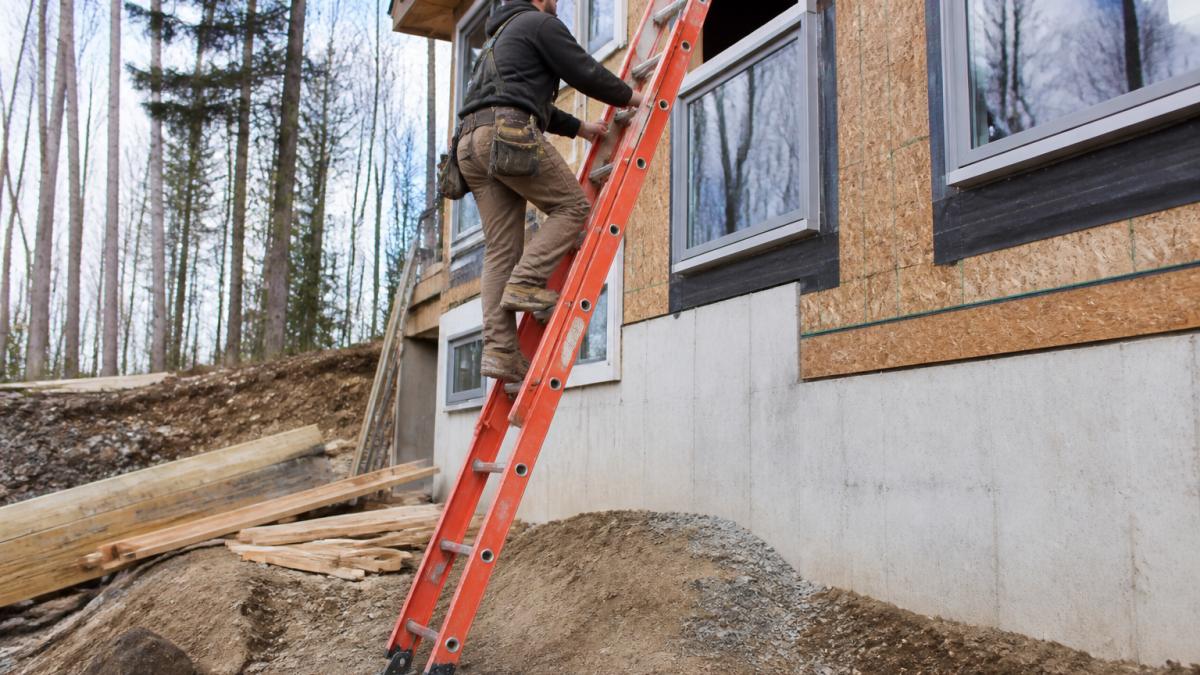
Weight capacity matters more than you think. A 300-pound worker carrying 50 pounds of tools and equipment is already at capacity on a standard ladder. Add wind pressure on a roofline, and you're exceeding safe limits. Commercial operations require Type IA minimum, which is why the Little Giant A-Force300XP Step Ladder at 345 BGN is a suitable choice for professional job sites.
The second critical specification is maximum working height, the highest rung where you can safely stand. Most commercial ladders limit this to 3-4 feet below the total ladder height. A 6-foot step ladder has a maximum standing height of 3.83 feet. That's not a limitation; it's a safety requirement that prevents overreach and loss of balance.
OSHA ladder safety requirements
For electrical work, the non-conductive property is non-negotiable. The Conquest™ 2.0 Fiberglass at 717 BGN provides 150-kilogram capacity with complete electrical safety.

Fiberglass Ladders for Industrial Use and Electrical Safety
Fiberglass is the material choice for any work near electrical circuits, power lines, or conductive environments. Unlike aluminum, fiberglass does not conduct electricity. A worker on a fiberglass ladder can safely work on electrical panels, light fixtures, or outdoor power equipment without the risk of arc flash or electrocution.
Industrial maintenance teams rely on fiberglass because of its non-conductive property. Aluminum can develop conductive paths through oxidation, reducing its electrical safety over time.
The tradeoff is weight and cost. Fiberglass weighs more than aluminum, a 6-foot fiberglass ladder weighs roughly 23 pounds versus 15 pounds for aluminum. For commercial operations, that extra weight is worth the safety guarantee. The Conquest™ 2.0 Fiberglass provides multi-position functionality at 150-kilogram capacity, making it suitable for electricians, HVAC technicians, and industrial maintenance crews working in hazardous environments.
Electrical safety guidelines for working at height
For facilities that run 24/7 operations, fiberglass ladders can contribute to efficiency. At 717 BGN, the Conquest™ 2.0 Fiberglass is a valuable investment on jobs where electrical safety is mandatory.
Commercial Rolling Ladders and Platform Options
Rolling ladders and platform options serve different needs than fixed or extension ladders. A rolling ladder with wheels lets your team access shelving, equipment, or high storage areas without moving heavy fixed equipment. Platform ladders (also called cage ladders) provide hands-free work zones with 360-degree safety rails, making them ideal for tasks requiring both hands.
The Safety Cage® 2.0 is purpose-built for industrial maintenance where hands-free operation is essential. The enclosed safety cage prevents falls, and the adjustable outriggers stabilize the unit. At 1,442 BGN, it's an investment in worker safety and operational reliability. The 150-kilogram capacity handles most technicians plus tools. The four industrial wheels with locking mechanisms let you position the ladder precisely without manual carrying.
For general commercial access, the MightyLite™ at 183 BGN provides platform functionality with portability. The wide platform and built-in tool tray keep materials within reach. The Ground Cue® system audibly alerts workers when they reach the lowest rung, preventing step-through injuries, a common accident on busy job sites.
Rolling ladders work best in controlled environments: warehouses, manufacturing facilities, retail spaces. On construction sites with uneven terrain, fixed or extension ladders with terrain-adaptive features (like the Conquest™ 2.0 PRO) are often more suitable than rolling options.
How to Select the Right Heavy Duty Ladder for Your Job
Start by defining your primary use case. Are you accessing rooflines? Interior shelving? Electrical panels? Uneven outdoor terrain? Each scenario demands different specifications.
For roofing and exterior work on varied terrain, multi-position ladders with adjustable feet are essential. The Conquest™ 2.0 PRO at 670 BGN adapts to slopes, uneven ground, and roof angles. Its multi-functional Safety Rails facilitate access to roofs and can distance and stabilize the ladder near windows and gutters.
For interior access and platform work, step ladders are efficient and require less space. The Little Giant A-Force300XP at 345 BGN is a strong option for commercial use. The 300-pound capacity handles heavy workers. The HoverGlide™ wheels lock when you climb and roll when you move the ladder, no manual lifting required.
For electrical work, non-negotiable requirement is fiberglass. The Conquest™ 2.0 Fiberglass at 717 BGN provides multi-position flexibility with complete electrical safety. Its industrial feet grip various surfaces, and the vee-shaped support bracket stabilizes the ladder against gutters, pipes, and columns.
For hands-free work requiring maximum safety, platform and cage options significantly reduce fall risk. The Safety Cage® 2.0 at 1,442 BGN and the Fortress™ at 515 BGN both provide 360-degree protection. Choose the Fortress™ for lighter-duty applications; choose the Safety Cage® for industrial environments where workers spend extended time elevated.
For teams with limited storage space or frequent transport, the King Kombo™ Industrial at 305 BGN combines three ladder types in one lightweight fiberglass unit. It functions as a step ladder, extension ladder, and leaning ladder. The rotating corner attachment protects walls and surfaces. The Ground Cue® system provides audible feedback on every step.
| Selection Criteria | Best Choice |
|---|---|
| Roofing/exterior on uneven terrain | Conquest™ 2.0 PRO |
| Interior platform access | A-Force300XP |
| Electrical work | Conquest™ 2.0 Fiberglass |
| Hands-free industrial work | Safety Cage® 2.0 |
| Multi-purpose, space-limited | King Kombo™ Industrial |
Maintenance, Inspection, and Safety Standards
Heavy duty ladders for commercial use require regular inspection to maintain safety. Check for cracks in fiberglass, dents or bends in aluminum, and corrosion on metal hardware before each use. A ladder with visible damage is a liability, remove it from service immediately.
Inspect the rungs for slipperiness. Dirt, mud, and moisture reduce grip. Clean the ladder between jobs, especially if moving between indoor and outdoor sites.
Check the locking mechanisms on extension ladders and multi-position models. The Conquest™ 2.0 PRO uses Rapid Locks® regulators that must engage fully. If a lock doesn't hold under gentle downward pressure, the ladder is unsafe. Tighten or replace the mechanism before use.
For fiberglass ladders, inspect the material for stress cracks. Fiberglass is durable but can crack under impact or extreme bending. Replace the ladder if cracks are visible.
Ladder maintenance and inspection guidelines
Store ladders horizontally or at a slight angle in a dry location. Exposure to direct sunlight degrades fiberglass over time. A simple wall rack or horizontal support helps keep ladders in good condition.
Commercial operations should establish an inspection schedule: weekly visual checks for active equipment, monthly detailed inspections, and annual professional certification for high-use ladders. This helps prevent accidents and demonstrates due diligence if a safety incident occurs.
Selecting heavy duty ladders for commercial use comes down to matching the right tool to the specific job. The Little Giant A-Force300XP handles interior platform work with its 300-pound capacity and quick setup. The Conquest™ 2.0 PRO adapts to uneven terrain on roofing and exterior projects. The Conquest™ 2.0 Fiberglass provides electrical safety for maintenance crews. Each solution from Distributor of Little Giant LTD combines engineered stability with professional-grade reliability.
Get started with our ladder solutions and eliminate the guesswork from elevated work. Choose the configuration that matches your team's demands, and work with confidence that your equipment is certified to EN131 standards and built to last through years of demanding job sites.
Frequently Asked Questions
What duty rating should a commercial ladder have?
Commercial ladders should meet Type IA (Extra Heavy Duty) or equivalent standards, supporting loads of 150 kg (330 lbs) or higher. This rating ensures the ladder handles the combined weight of the user, tools, and materials. EN131 certification confirms compliance with European safety standards. Heavy duty ladders rated for 150+ kg are suitable for sustained industrial use, construction, and maintenance work where reliability is non-negotiable.
Are fiberglass or aluminum ladders better for industrial use?
Fiberglass ladders are superior for industrial use because they are non-conductive, making them essential for electrical work and hazardous environments. They resist corrosion and weather damage better than aluminum. However, fiberglass is heavier. Aluminum ladders are lighter and portable but conduct electricity, making them unsafe around power lines. For commercial environments with electrical exposure, fiberglass is the correct choice. For general construction without electrical hazards, aluminum offers portability benefits.
What type of ladder is best for commercial use?
Multi-position ladders (like the Conquest™ 2.0 PRO or Velocity® 2.0 PRO) are best for commercial use because they adapt to different tasks: step ladder position for platform work, extension position for reaching height, and scaffold position for wide platform stability. They reduce the need to carry multiple ladder types on job sites. Type IA duty rating with 150 kg capacity, fiberglass construction for electrical safety, and adjustable feet for uneven terrain are essential features for versatile commercial applications.
How often should commercial ladders be inspected?
Commercial ladders should be inspected before each use for visible damage, cracks, bent rails, or loose fasteners. Formal safety inspections should occur monthly on actively used ladders and annually for stored equipment. After any fall, impact, or heavy use, conduct a detailed inspection before returning the ladder to service. EN131-certified ladders come with maintenance guidelines; follow manufacturer recommendations. Document all inspections to demonstrate compliance with workplace safety standards and protect your team.